 buddy90
Why eBikes Are the Most Suitable Transport for City Life?
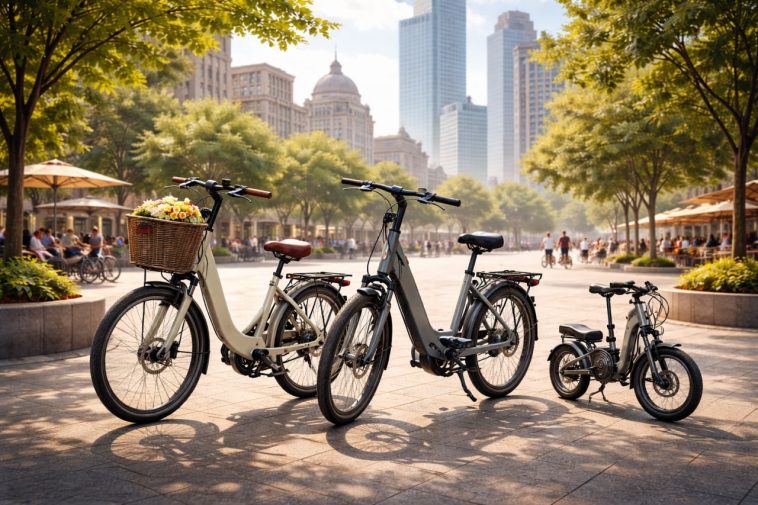
As cities become more crowded, expensive, and environmentally conscious, traditional transportation methods are showing their limits. eBikes sit at the intersection of convenience, efficiency, and sustainability, making them one of the most practical mobility solutions for modern urban environments.
1. Faster Than Cars in Urban Traffic
In congested cities, cars often spend more time stopped than moving. eBikes bypass traffic by using bike lanes, shortcuts, and flexible routes, allowing riders to maintain consistent travel times during peak hours.
For trips under 10 km, eBikes are frequently faster door-to-door than cars or public transport.
2. Effortless Riding Without Physical Strain
Unlike traditional bicycles, eBikes provide motor assistance that reduces fatigue, sweating, and physical stress. This makes them ideal for commuting, errands, and everyday travel—without needing to arrive tired or change clothes.
Riders can adjust assistance levels depending on terrain, distance, and energy level.
3. Perfect for Stop-and-Go City Riding
Cities involve frequent starts, stops, traffic lights, and intersections. eBikes excel in these conditions by offering smooth acceleration and controlled speed, reducing the effort required to restart after every stop.
This makes urban riding more comfortable and less tiring over time.
4. Lower Cost Than Cars or Public Transport
eBikes are significantly cheaper to own and operate than cars. There are no fuel costs, minimal maintenance, no parking fees, and often no registration or insurance requirements.
Compared to public transport, eBikes eliminate recurring ticket costs while offering full schedule independence.
5. Easy Parking and Storage
Parking is a major challenge in cities. eBikes require a fraction of the space needed for cars and can often be parked directly at destinations. Many models are compact or foldable, making indoor storage simple in apartments or offices.
This removes one of the biggest daily frustrations of urban travel.
6. Environmentally Friendly Urban Mobility
eBikes produce zero direct emissions and consume far less energy than cars or motorbikes. Even when accounting for electricity use, their environmental footprint is minimal.
They contribute to cleaner air, reduced noise pollution, and more livable cities.
7. Ideal for Short and Medium-Distance Trips
Most city trips fall within a 2–15 km range — the exact distance where eBikes perform best. They remove the inefficiency of cars on short trips while offering more speed and flexibility than walking or public transport.
This makes them perfect for commuting, shopping, school runs, and social visits.
8. Comfortable and Accessible for All Ages
Modern eBikes are designed for comfort and accessibility, featuring upright riding positions, step-through frames, adjustable assistance levels, and ergonomic components.
This allows people of different ages, fitness levels, and physical abilities to ride confidently and comfortably.
9. Seamless Integration With City Infrastructure
Cities worldwide are investing heavily in cycling infrastructure. eBikes integrate perfectly with bike lanes, low-speed zones, and shared mobility policies, making them future-proof as urban planning continues to evolve.
Many cities actively encourage eBike use through incentives and infrastructure support.
10. Encourages Health Without Overexertion
eBikes still require pedaling, promoting regular movement and cardiovascular activity — but without excessive strain. This balance encourages consistent daily use, which is more beneficial than occasional intense exercise.
They turn transportation into a sustainable, healthy habit.
Top 8 Comfortable eBikes for a Smooth City Ride
Electric bikes designed for city riding aren’t all the same. When comfort is the priority — whether for daily commutes, errands, or relaxed weekend cruising — certain features matter more than raw power: upright geometry, smooth assistance, accommodating frame designs, ergonomic grips and seats, integrated accessories, and predictable handling.
Here’s a guide to the top 8 product types that deliver a comfortable, confident urban eBike experience — from easy-going cruisers to practical daily commuters.
1. Upright Comfort Commuter eBike
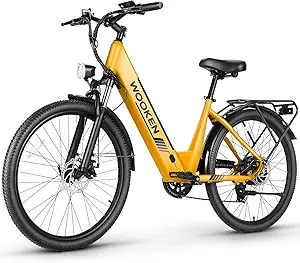
These bikes prioritize rider posture and visibility over sporty geometry, helping you stay relaxed while navigating urban streets.
Key Benefits:
- Upright riding position reduces back and neck strain
- Easy-to-reach controls and relaxed steering
- Ideal for stop-and-go traffic
Best For:
Daily commuters, recreational riders, city errands
Detailed Info:
- Frame & Geometry: Taller head tubes and upright seating improve visibility and comfort on city streets.
- Motor & Power: Typically 250–500 W hub or mid-drive motors with smooth, gradual acceleration for city riding.
- Assist Levels: 3–5 pedal-assist modes let you balance power and battery life.
- Brakes: Reliable mechanical or hydraulic disc brakes improve confidence in traffic.
- Extras: Integrated lights, reflectors, and chain guards enhance safety and low-maintenance use.
Why it matters: Upright bikes reduce fatigue, improve awareness in traffic, and make urban navigation easier for riders of all experience levels.
To buy this product on Amazon, click here.
2. Step-Through Urban eBike
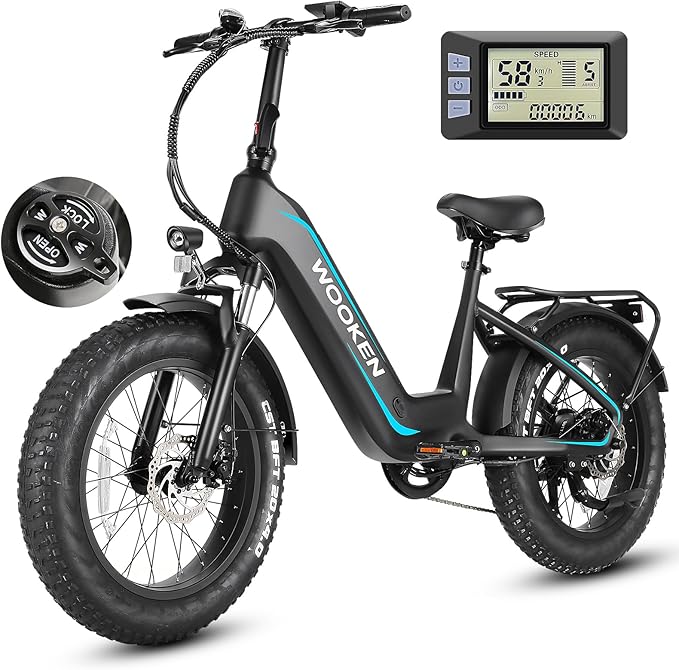
Step-through frames make mounting and dismounting effortless — especially valuable if you ride in city clothes, carry loads, or share the bike with multiple riders.
Key Benefits:
- Easy access without high leg lift
- Great for riders of varying flexibility
- Often comes with built-in accessories
Best For:
City riders who value convenience and versatility
Detailed Info:
- Frame Design: Lower top tube or no top tube improves accessibility.
- Weight Distribution: Low standover height increases confidence when stopping.
- Components: Often paired with baskets, panniers, or racks for cargo.
- Comfort Features: Suspension seat posts or fork options absorb small bumps.
- Range: 40–90 km of pedal-assist range suits typical urban use.
Why it matters: Step-through designs eliminate barriers to riding — especially useful for riders wearing everyday clothing or carrying bags, groceries, or briefcases.
To buy this product on Amazon, click here.
3. Lightweight City Cruiser eBike
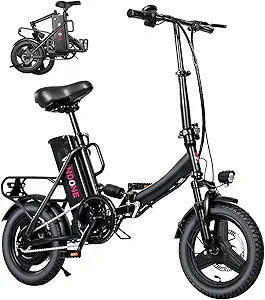
These models balance assisted power with easy handling. By minimizing weight and optimizing frame design, they make frequent starts and stops in city traffic feel natural.
Key Benefits:
- Better acceleration and easier parking
- Less fatigue on rides
- Still capable of handling hills and longer distances
Best For:
Urban riders who want nimble handling and everyday comfort
Detailed Info:
- Weight: Typically 16–22 kg (35–48 lbs), making them easier to maneuver and lift.
- Motor Position: Mid-drive motors optimize assist efficiency and balance.
- Battery: Integrated or removable batteries around 400–600 Wh for daily use.
- Tires: 1.75–2.2″ tires balance roll speed with comfort.
- Brakes: Often hydraulic disc brakes for responsive stopping.
Why it matters: A lighter bike is easier to ride in stop-start environments, plus quicker starts and safe handling improve confidence and reduce rider fatigue.
To buy this product on Amazon, click here.
4. Integrated Utility eBike (Racks + Lights + Fenders)
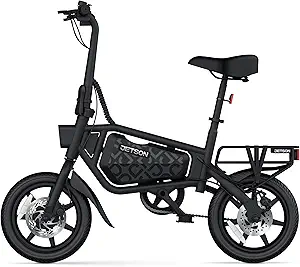
Comfort on city rides often comes from convenience — not just ergonomics. These models include built-in features that make daily life easier.
Key Benefits:
- Ready-to-go accessories eliminate aftermarket hassles
- Protection from splashes and low light
- Increased cargo capacity for bags and groceries
Best For:
Commuters and practical urban riders
Detailed Info:
- Cargo Racks: Strong rear racks handle bags, panniers, or baskets securely.
- Fenders: Full-coverage fenders reduce spray on wet days.
- Integrated Lights: Front and rear lights powered by the main battery improve visibility.
- Kickstand: Sturdy kickstands support loaded bikes.
Why it matters: Built-in accessories make urban use hassle-free, helping riders tackle errands without extra add-ons that clutter the bike or add weight.
To buy this product on Amazon, click here.
5. Soft-Tire Comfort eBike
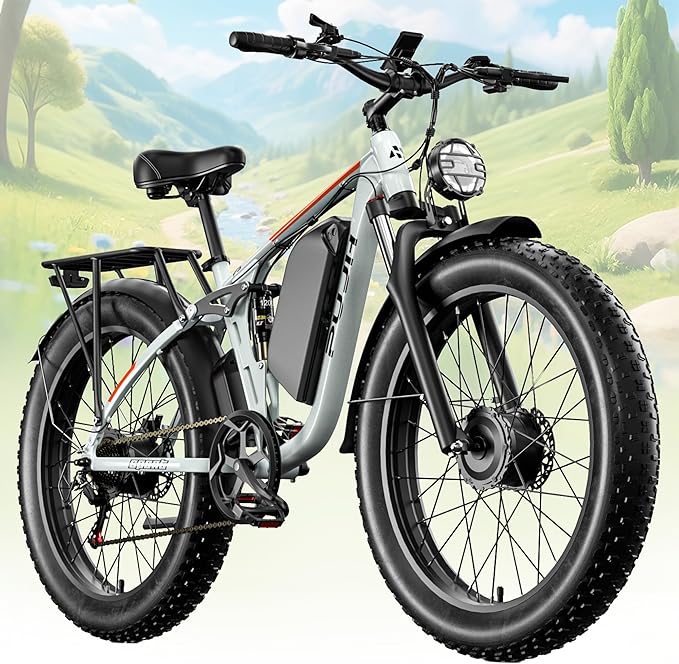
City streets aren’t always smooth. Wider, lower-pressure tires absorb bumps and cracks, making rough pavement feel far more forgiving.
Key Benefits:
- Natural shock absorption without complex suspension
- Stable handling and strong traction
- Smooth, confidence-inspiring ride feel
Best For:
Urban explorers and riders on uneven roads
Detailed Info:
- Tire Size: 2.0–2.4″ wide tires offer cushion over rough surfaces.
- Tire Type: Semi-slick patterns reduce rolling resistance while keeping grip.
- Pressure: Lower PSI around 40–55 improves comfort without sacrificing stability.
- Optional Suspension: Front suspension or suspension seat posts further smooth the ride.
Why it matters: Wider tires act like built-in suspension, reducing vibrations and jolts from urban surfaces without adding mechanical complexity.
To buy this product on Amazon, click here.
6. Easy-Go eBikes (Lower Speed Focused)
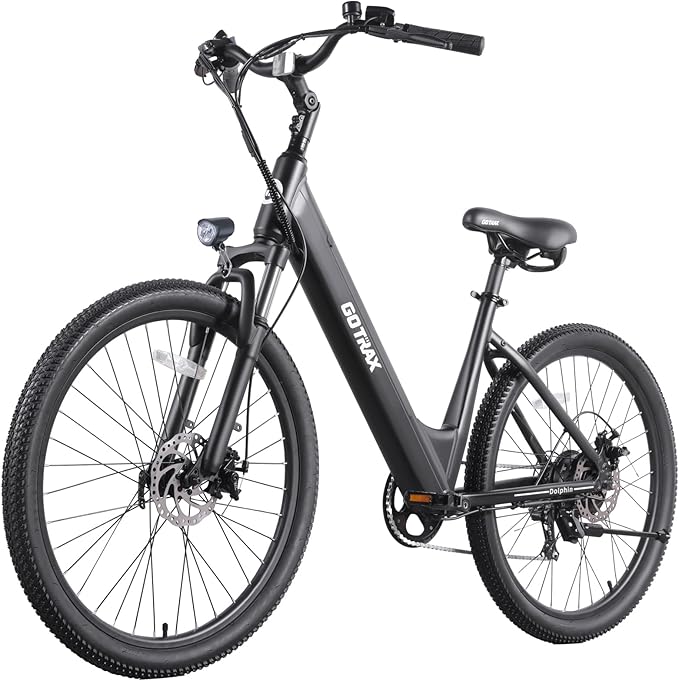
Class 1 (pedal-assist only) and Class 2 (low-speed throttle) eBikes keep top speeds urban-friendly, improving control and reducing stress.
Key Benefits:
- Predictable, manageable power delivery
- Ideal for shared bike lanes and city traffic
- Encourages calm, comfortable riding
Best For:
Safety-conscious riders and urban commuters
Detailed Info:
- Class 1: Assist only while pedaling (no throttle).
- Class 2: Includes throttle for low-speed starts and slow-speed control.
- Speed Limit: Generally restricted to ~25 km/h (15.5 mph).
- Control: Smooth mid-drive or hub motor maps deliver predictable power.
Why it matters: Lower maximum speeds reduce risk, increase confidence, and make city riding less intimidating — especially in mixed-traffic environments.
To buy this product on Amazon, click here.
7. Hybrid Commuter Tour eBike
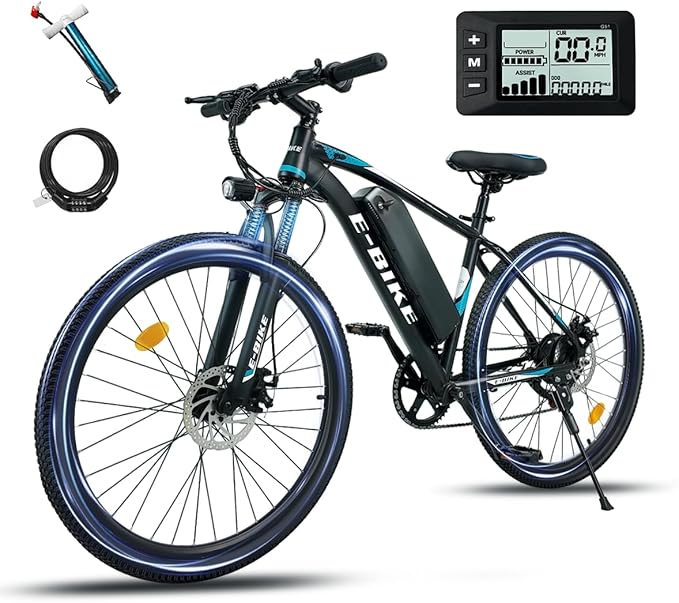
These versatile models blend city comfort with light touring capability, offering stable geometry, extended range, and accessory compatibility.
Key Benefits:
- Balanced handling for city and suburban routes
- Longer range for extended rides
- Comfortable posture for sustained riding
Best For:
Commuters who also enjoy weekend rides
Detailed Info:
- Frame: Hybrid geometry balances upright posture with efficient pedaling.
- Battery: Larger capacity (600–900 Wh) extends distance between charges.
- Tires: 28–42 mm tires offer comfort and efficiency.
- Accessories: Built-in racks, lights, and fenders support utility and touring.
Why it matters: Hybrid urban eBikes are “go-anywhere” machines — comfortable for everyday city use and capable of extending into longer excursions.
To buy this product on Amazon, click here.
8. Compact & Foldable Urban eBike
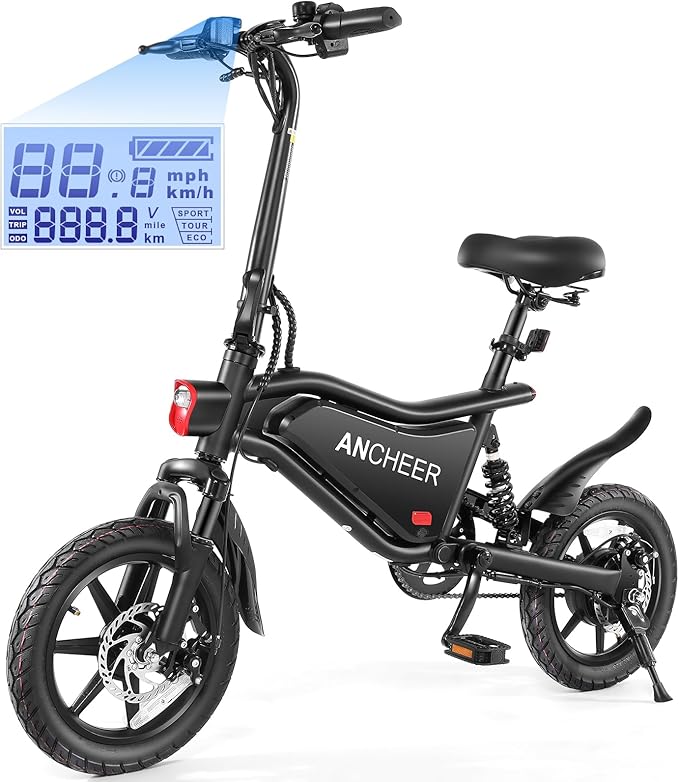
When space and flexibility matter, folding eBikes offer city comfort with easy storage — ideal for apartments, offices, and public transport.
Key Benefits:
- Convenient multimodal commuting
- Easy storage in tight spaces
- Upright, comfortable riding position
Best For:
Urban riders with limited storage or mixed transit needs
Detailed Info:
- Folding Mechanism: Quick-release hinges and clamps make folding fast and secure.
- Weight: Usually 18–24 kg (40–53 lbs) with compact wheels ~16–20″.
- Battery: Often integrated but removable for charging indoors.
- Ride Quality: Upright frames and suspension seat posts improve comfort despite smaller wheels.
Why it matters: Folding bikes bring flexibility to urban living — stored indoors, taken on transit, or shared between commuters — without giving up comfort.
To buy this product on Amazon, click here.
Comfort Features to Look For
When choosing a city eBike focused on comfort, consider:
- Upright geometry to reduce strain
- Ergonomic grips and well-cushioned seats
- Integrated racks, lights, and fenders
- Wide tires or light suspension for road imperfections
- Multiple assist levels and adequate battery range
Choosing the Right Urban eBike
Selecting the right urban eBike is less about finding the “best” model and more about choosing the one that fits how, where, and how often you ride. City riding places unique demands on a bike, and understanding your daily habits will help you avoid paying for features you don’t need—or missing ones you do.
Below is a more detailed breakdown of how to match an urban eBike to your real-world needs.
Short Daily Commutes and Errands
If your rides are typically under 5–8 km and include frequent stops, traffic lights, and quick errands, comfort and simplicity should come first.
What to prioritize:
- Upright riding position to reduce neck, shoulder, and wrist strain
- Smooth, low-noise motor assistance for gentle acceleration
- Moderate battery capacity (400–500 Wh is usually enough)
- Easy mounting and dismounting, especially in city clothing
Best eBike types:
Upright comfort commuter eBikes or step-through urban eBikes
Why this works:
These bikes are optimized for stop-and-go riding and short distances, making everyday travel feel relaxed rather than rushed.
Multimodal Travel and Limited Storage
If your commute includes trains, buses, elevators, or stairs—or if you live in an apartment with limited space—portability becomes essential.
What to prioritize:
- Foldable or compact frame design
- Manageable weight for lifting and carrying
- Secure folding mechanisms with minimal flex
- Removable battery for indoor charging
Best eBike types:
Compact or foldable urban eBikes
Why this works:
These bikes integrate seamlessly into city life where space is at a premium and flexibility matters more than maximum range or speed.
Longer Commutes and Mixed Routes
For riders covering 10–25 km per day or mixing city streets with bike paths and suburban roads, efficiency and endurance become more important.
What to prioritize:
- Larger battery capacity (600–900 Wh) for range confidence
- Efficient motor systems that deliver assistance without draining power
- Balanced geometry that supports longer rides without fatigue
- Tires that balance comfort and rolling efficiency
Best eBike types:
Hybrid commuter tour eBikes or lightweight city cruisers
Why this works:
These models provide sustained comfort and reliable range, making them suitable for both daily commuting and longer recreational rides.
Carrying Bags, Groceries, or Work Gear
If your eBike replaces a car for errands or commuting, cargo capability is a key comfort feature—not just a convenience.
What to prioritize:
- Strong rear racks or front baskets integrated into the frame
- Stable handling under light load
- Low center of gravity for balance
- Sturdy kickstand for parking with cargo
Best eBike types:
Integrated utility eBikes
Why this works:
Bikes designed with cargo in mind remain stable and predictable even when carrying extra weight, improving safety and ease of use.
Riding on Rough or Inconsistent City Surfaces
Not all cities have smooth roads. Cracked pavement, cobblestones, and poorly maintained bike lanes can quickly reduce comfort.
What to prioritize:
- Wider tires with lower recommended pressure
- Quality wheel build for durability
- Optional suspension seat post or front fork
- Frame designs that absorb vibration
Best eBike types:
Soft-tire comfort eBikes
Why this works:
These features reduce road vibration and impact, making everyday rides noticeably smoother and less fatiguing.
Safety, Speed, and Control in Urban Traffic
City riding often involves shared spaces with cars, pedestrians, and other cyclists. Controlled performance matters more than raw speed.
What to prioritize:
- Class 1 or Class 2 motor systems with predictable power delivery
- Reliable braking systems, preferably hydraulic disc brakes
- Good visibility through upright posture and integrated lights
- Stable handling at low and moderate speeds
Best eBike types:
Easy-go eBikes
Why this works:
Lower top speeds and smoother acceleration reduce stress and improve confidence, especially in dense or unfamiliar traffic environments.
Matching the Bike to Your Body and Confidence Level
Beyond distance and terrain, personal comfort plays a huge role in long-term satisfaction.
What to consider:
- Frame size and adjustability
- Step-through vs. step-over preference
- Saddle comfort and handlebar reach
- Weight of the bike relative to your strength
Why this matters:
A well-fitted bike encourages frequent use and reduces discomfort, turning the eBike into a daily habit rather than an occasional tool.ust about padding — it’s about how well the bike fits your lifestyle and riding environment.
Conclusion
Comfort-focused city eBikes continue to define modern urban mobility. Whether you want a relaxed cruiser for errands, a dependable daily commuter, or a compact ride for mixed transport, today’s eBike designs make city riding smoother, safer, and more enjoyable — without sacrificing practicality or control.