 buddy90
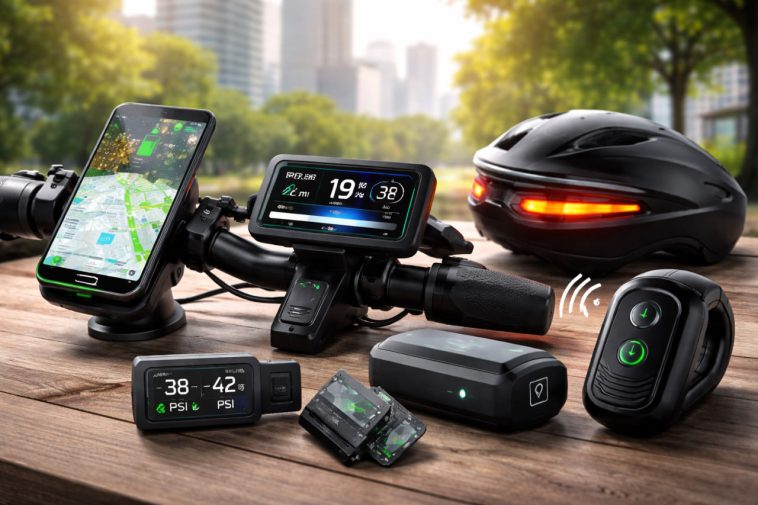
How to Make eBike Commuting Easier?
eBike commuting gets dramatically easier when you reduce “daily friction”—the small annoyances that add stress, waste time, or make you feel unprepared. The goal isn’t to add more gear. It’s to build a simple, repeatable setup that makes every ride feel smooth and predictable.
- Key Ways to Make Commuting Easier
- Plan for the annoying moments: rain, darkness, dead phone battery, and quick stops.
- Keep essentials within reach so you don’t stop, dig, and fumble in traffic.
- Make your bike easy to park, lock, and leave without worry.
- Reduce distractions so you can focus on riding, not managing gadgets.
Practical Upgrades That Actually Help
- Make Parking and Locking Fast
A slow locking routine is one of the biggest commute killers. Use a lock setup that’s quick and consistent, and add smart security so you’re not constantly anxious while your bike is outside.
Best smart helpers: smart alarm lock, hidden GPS tracker - Remove “Phone Anxiety”
Navigation and messages are fine—but a dead phone or shaky mount ruins the ride. A damped phone mount with charging keeps your screen stable, your battery topped up, and your attention where it belongs.
Best smart helpers: vibration-damped phone mount, wireless charging - Upgrade Visibility to Reduce Stress
Most city tension comes from traffic uncertainty. Smart lights that auto-adjust brightness, add brake sensing, or offer turn signals make your movements clearer to drivers and reduce close calls.
Best smart helpers: smart bike lights, smart helmet lights - Keep Your Bike Feeling Smooth Every Day
Tires affect comfort more than most riders realize. Correct pressure improves handling, braking, and efficiency—especially on heavier eBikes. A TPMS eliminates guesswork and prevents that “why does my bike feel slow today?” problem.
Best smart helpers: smart tire pressure monitoring (TPMS) - Make Battery and Range Predictable
Commuting is easier when you stop thinking about range. A battery monitor or range optimizer helps you understand how assist level, wind, cold weather, and routes affect battery life—so you don’t arrive stressed or cut it close.
Best smart helpers: battery monitor/range optimizer, smart display
Simple Daily Habits That Make a Big Difference
Charge your lights and phone power setup on the same schedule as your eBike battery.
Pack the same essentials every day so you don’t “rebuild” your commute each morning.
Do a 10-second pre-ride check: tire pressure (or TPMS), battery level, lights on, lock packed.
Choose one “default” route that’s calm and consistent, even if it’s slightly longer.
Top 8 Smart Gadgets for eBikes (Comfort, Safety, and Everyday Practicality)
As eBikes replace cars for commuting and errands, “smart” upgrades matter just as much as battery range or motor power. The right gadgets make city riding safer, calmer, and more convenient—reducing stress in traffic, preventing theft, improving visibility, and helping you manage power and navigation without distractions.
Not all smart accessories are worth it, though. For urban riding, reliability, ease of use, weather resistance, and low-maintenance convenience matter more than flashy features.
Below is a structured guide to the top 8 smart gadget product types for eBikes, focused on comfort, practicality, and real-world city use—plus the key features to compare before you buy.
1) Smart eBike GPS Tracker (Hidden + Anti-Theft)
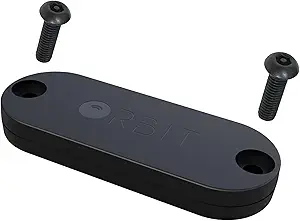
A GPS tracker is the most impactful “smart” upgrade if you ever lock your bike outside.
Key Benefits
- Real-time location tracking
- Theft alerts (movement/tamper notifications)
- Faster recovery chances if stolen
Best For:
Urban commuters, public parking, high-value eBikes
Detailed Info
- Placement: Look for designs that hide well (inside frame, under saddle, in a reflector-shaped shell).
- Connectivity: GPS + cellular is best for real tracking; Bluetooth-only trackers are limited by nearby phones.
- Alerts: Motion, tilt, and tamper alerts reduce anxiety when your bike is parked.
- Battery: Long-life battery or wired-to-eBike power is ideal. Easy charging = you’ll actually keep it active.
- App Features: Geofencing, ride history, shared access, and “lost mode” are genuinely useful in cities.
- Weatherproofing: IP-rated casing matters for year-round commuters.
- Update Frequency: Faster refresh rates give better live tracking, but may reduce battery life—balance both based on how often you park outside.
- Network Coverage: Check that the tracker’s cellular service works reliably where you live and commute (some use region-specific carriers).
- Subscription Costs: Many GPS + cellular trackers require a monthly or annual plan—factor this into long-term value.
- Mount Security: A tracker is only useful if it stays on the bike—prioritize tamper-resistant mounting and concealed screws where possible.
- Noise and Rattle Control: A hidden tracker should be foam-padded or tightly secured so it doesn’t buzz on rough pavement.
- Privacy Controls: Look for permission settings, shared access controls, and secure login options so only you can see location data.
Why it matters:
Peace of mind is comfort. A good tracker reduces “parking stress” and makes errands feel effortless.
To buy this product on Amazon, click here.
2) Smart Alarm Lock (Motion + Remote + Siren)
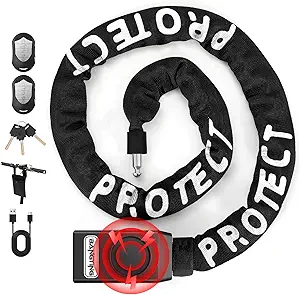
Smart locks add active deterrence—not just a physical barrier.
Key Benefits
- Loud alarm scares off opportunistic thieves
- Movement detection reduces tampering attempts
- Convenient remote arming/disarming
Best For:
High-theft areas, shared bike rooms, quick city stops
Detailed Info
- Alarm Volume: Aim for a loud siren (enough to be noticed in street noise).
- Sensitivity Settings: Adjustable sensitivity prevents constant false alarms on windy days or when bikes are bumped.
- Lock Type: Pair alarm tech with a strong physical lock (U-lock or heavy-duty folding lock).
- Quick Controls: Remote fobs or app control make daily use easier than fiddly keys.
- Mounting: Frame-mount or rack-mount alarm units should be secure and rattle-free.
- Arming Behavior: Some models auto-arm after a delay—great for routines, but make sure it’s predictable so you don’t trigger it accidentally.
- Battery Access: Choose a design where battery replacement or charging is simple (otherwise the alarm feature gets “forgotten”).
- Siren Direction: Alarms that face outward and aren’t blocked by bags or racks are noticeably louder in real use.
- Weather Sealing: Locks live in road spray—rubber port covers and sealed housings prevent moisture issues in winter.
- Two-Stage Alerts: The best systems warn first (chirps) then escalate (full siren), reducing false “panic alarms.”
- Everyday Practicality: If the lock is heavy and inconvenient, you won’t carry it—find the best balance of security and portability.
Why it matters:
It’s not just security—it’s confidence. A smart alarm reduces “what if someone’s messing with it?” anxiety.
To buy this product on Amazon, click here.
3) Smart Bike Lights (Auto Brightness + Brake + Turn Signals)
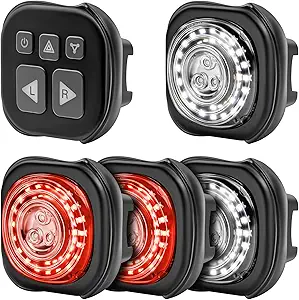
Good lighting is comfort because it prevents conflict with cars and pedestrians.
Key Benefits
- Automatic brightness adapts to surroundings
- Brake-sensing lights improve visibility in traffic
- Turn signals reduce risky hand gestures
Best For:
Night commuters, dense city riding, winter visibility
Detailed Info
- Brake Sensing: Accelerometer-based brake lights are a major urban safety upgrade.
- Auto Mode: Ambient light sensors save battery and reduce “did I turn it on?” mental load.
- Turn Signals: Bar-mounted buttons are easier than shoulder-checking plus hand signals in busy lanes.
- Side Visibility: Look for wide-angle optics or side windows—cars approach from angles, not just behind.
- Power: USB-C charging or eBike-powered wiring options both work; choose what matches your routine.
- Mount Stability: Lights must be wobble-free; cheap mounts cause bouncing beams and reduced visibility.
- Beam Pattern: A good front light has a controlled beam that lights the road without blinding pedestrians and oncoming riders.
- Brightness Levels: Multiple modes matter more than peak lumens—cities need a “seen” mode and a “see the road” mode.
- Battery Indicators: Clear battery level readouts prevent lights dying mid-ride (a real comfort issue in winter commutes).
- Quick-Detach: Fast removal helps prevent theft and makes charging easier—especially if you park outdoors.
- Signal Visibility: Turn signals should be bright and wide-angle; tiny indicators disappear in traffic glare.
- Rear Light Mounting: Seatpost vs rack vs backpack/helmet options—rack-mounted is stable, seatpost can be blocked by bags.
Why it matters:
Visibility is comfort. Smart lighting reduces close calls and helps you ride more calmly in traffic.
To buy this product on Amazon, click here.
4) Smart Handlebar Display or Phone Dashboard (eBike Data + Controls)
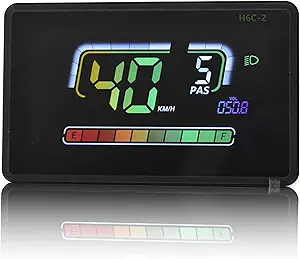
A clean, glanceable display improves riding flow and reduces distraction.
Key Benefits
- Speed, range estimates, assist level, and battery at a glance
- Better ride planning and battery management
- Cleaner cockpit than phone-on-full-brightness
Best For:
Daily commuters, longer urban trips, riders managing range carefully
Detailed Info
- Readability: Prioritize sunlight-visible screens and large fonts.
- Control Integration: Some displays let you change assist levels and light modes without taking hands off the bars.
- Navigation Options: Some support map prompts; others pair with your phone for directions.
- Weather Resistance: Rain-friendly buttons and sealed ports matter in real city use.
- Mounting: Low-profile, solid clamp mounting prevents rattle and keeps it centered for quick glances.
- Range Estimates: The best systems adjust estimates based on assist level, speed, and terrain—more useful than a simple battery bar.
- Glove-Friendly Controls: Physical buttons are often easier than touchscreens in cold weather or rain.
- Night Mode: Auto-dimming or a proper night display prevents glare and eye fatigue in evening commutes.
- Error Alerts: Displays that surface motor/battery system warnings early can prevent “surprise problems” mid-ride.
- Data You’ll Actually Use: Speed, remaining range, assist level, trip distance, and battery percentage are the core—too much clutter becomes distracting.
- Cable Routing and Durability: Clean routing prevents snagging; reinforced connectors reduce issues from vibration and weather.
- Compatibility: If it integrates with your eBike system/app, you get more accurate data—universal dashboards can be useful but less precise.
Why it matters:
Less fumbling equals more comfort. The right display helps you ride confidently and stay focused on the road.
To buy this product on Amazon, click here.
5) Smart Phone Mount With Vibration Damping + Wireless Charging
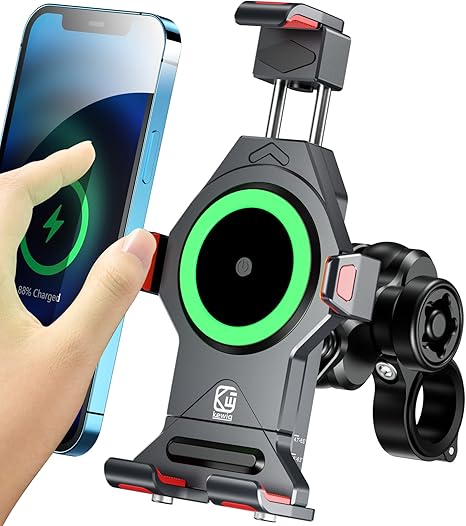
A phone mount can be “smart” when it solves real commuter problems: stability, charging, and durability.
Key Benefits
- Keeps navigation easy without pocket-checking
- Wireless charging prevents battery anxiety
- Vibration damping protects your phone camera
Best For:
Navigation-heavy riders, delivery riders, long commutes
Detailed Info
- Damping: Choose mounts designed to reduce high-frequency vibration—important on rough pavement and cobblestones.
- Charging: Wireless charging is best when paired with a weather-sealed power connection.
- Locking Mechanism: Secure, one-handed lock/unlock systems make stops quicker.
- Positioning: Center-mounted is usually safer than far off to one side.
- Weather: If you ride in rain, consider a rain cover or weather-friendly charging setup.
- Camera Protection: Continuous vibration can damage some phone cameras—damping is comfort and long-term phone protection.
- Charging Speed: Wireless charging varies a lot; look for stable charging that keeps you topped up during navigation (not just “barely maintaining”).
- Cable Management: If the system uses a cable, choose a setup that routes neatly and doesn’t snag when turning handlebars.
- Heat Management: Wireless charging generates heat—good mounts vent well and avoid overheating in summer sun.
- Mount Fit: Cases matter—ensure your phone/case combination is compatible and still locks securely.
- Road Shock Reality: Test for wobble—if the phone visibly shakes, reading maps becomes tiring and distracting.
- Security Add-Ons: Some mounts include a secondary tether—useful for peace of mind on rough streets.
Why it matters:
This is comfort-through-convenience: no dead phone, no shaky screen, no constant “is it secure?” worry.
To buy this product on Amazon, click here.
6) Smart Tire Pressure Monitoring System (TPMS)
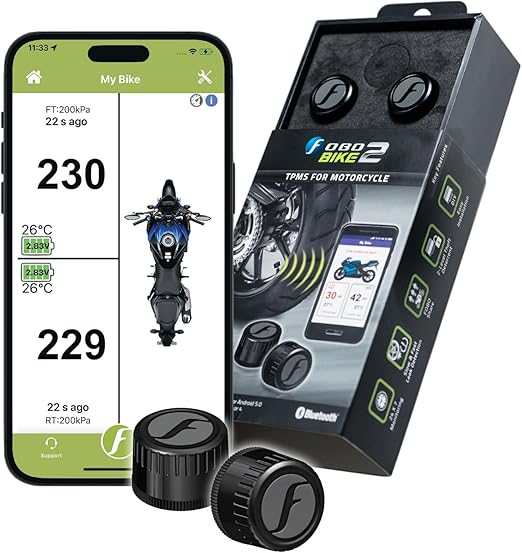
Tire pressure is one of the biggest hidden factors in comfort and range.
Key Benefits
- Real-time pressure alerts prevent sluggish rides
- Reduces flats and rim damage
- Improves efficiency and handling
Best For:
High-mileage commuters, winter riders, heavy-load or cargo eBikes
Detailed Info
- Sensors: Valve-cap sensors are easy; internal sensors are cleaner but more involved to install.
- Alerts: Look for low-pressure alerts before it becomes a flat.
- Display: Some use a small handlebar display; others use a phone app.
- Weatherproofing: Sensors live near road spray—choose durable, sealed designs.
- Battery: Replaceable sensor batteries are convenient for long-term ownership.
- Pressure Range: eBikes vary—make sure the TPMS supports your tire type (city tires, cargo tires, higher-pressure commuter tires).
- Slow Leak Detection: A good TPMS helps you notice gradual pressure loss over days—one of the most common causes of “mystery slow rides.”
- Real Comfort Benefit: Correct pressure improves shock absorption and traction—especially on heavier eBikes and rough city pavement.
- Signal Reliability: Choose systems known for stable connection so you don’t lose readings mid-ride.
- Valve Security: Some sensors include anti-theft lock nuts—helpful if you park outside.
- Calibration: Systems that let you set alert thresholds are better than one-size-fits-all warnings.
Why it matters:
Correct pressure makes your ride smoother, safer, and more efficient—every single day.
To buy this product on Amazon, click here.
7) Smart Helmet With Integrated Lights + Crash Detection
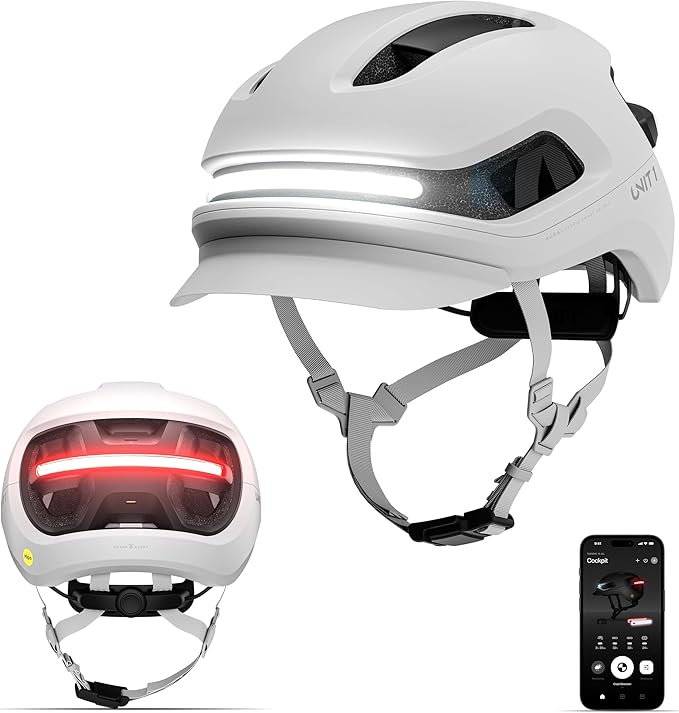
A smart helmet can improve safety without adding complexity to your bike.
Key Benefits
- Integrated lights improve visibility at driver eye level
- Some helmets add crash detection and emergency alerts
- Clean, minimal setup with no extra mounts
Best For:
Daily commuters, night riders, safety-first urban cyclists
Detailed Info
- Visibility: Rear lighting on the helmet is highly noticeable in traffic.
- Turn Signals: Some helmets include signaling, which is useful in busy intersections.
- Crash Detection: Features vary—reliability and ease of setup matter more than marketing claims.
- Fit and Ventilation: Smart features don’t matter if the helmet is uncomfortable—prioritize fit first.
- Charging: Simple charging routines (USB-C, long battery) mean you’ll keep using it.
- Light Modes: Look for steady + pulse options; pulse can improve noticeability in busy traffic.
- Button Placement: Controls should be easy to reach without fumbling—especially with gloves.
- Emergency Alerts: If it offers SOS notifications, check that setup is simple and doesn’t require constant app babysitting.
- Weight Balance: Extra electronics shouldn’t make the helmet feel back-heavy—comfort depends on balance as much as total weight.
- Weather Use: Sealed electronics and sturdy charging port covers matter if you commute in rain.
- Realistic Expectations: Smart features help, but they don’t replace good passive visibility like reflective elements and bright outer colors.
Why it matters:
Higher visibility and added safety features reduce stress in traffic—comfort through confidence.
To buy this product on Amazon, click here.
8) Smart eBike Battery Monitor or Range Optimizer (Power + Planning)
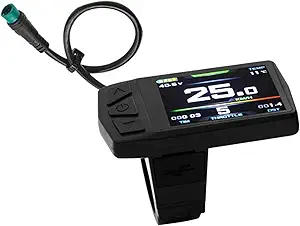
Even with a basic battery indicator, smarter monitoring helps you avoid range surprises.
Key Benefits
- More accurate range planning
- Better battery health awareness over time
- Helps optimize assist levels for longer rides
Best For:
Longer commutes, hilly cities, riders managing range daily
Detailed Info
- Accuracy: Look for systems that estimate range based on usage patterns—not just a basic percentage meter.
- Battery Health: Some tools help track degradation and charging habits over months.
- Ride Profiles: Useful if you switch between “fast commute” and “efficient errands.”
- Integration: Some are built into eBike apps; others are external monitors.
- Ease of Use: The best system is the one you’ll actually check—simple dashboards win.
- Cold Weather Reality: Smart monitoring helps in winter when range drops—predictability is a major commuter comfort boost.
- Charging Insights: Track charge cycles and habits so you don’t accidentally shorten battery lifespan with poor routines.
- Power Draw Awareness: Seeing how assist level, speed, and stops impact consumption helps you ride smoother and plan better.
- Route Planning: Some systems help compare routes by estimated energy use—useful in hilly cities.
- Battery Percentage vs Voltage: Better monitors use more accurate measurements than “guessy” percentage bars.
- Notifications: Low-battery alerts and range warnings prevent last-minute stress when you’re far from home.
Why it matters:
Range anxiety is real. Better monitoring makes your eBike feel more reliable and car-like for daily utility.
To buy this product on Amazon, click here.
Comparison Table Of The Top 8 Smart Gadget Types For eBikes, Helping You Quickly See How They Differ Across Key Features
Gadget TypeMain BenefitWeather ReadinessSecurity ImpactEase of SetupBest Urban UseSpecial Strength
Smart GPS TrackerReal-time tracking + alertsHighVery HighModeratePublic parking, commutingPeace of mind
Smart Alarm LockActive deterrence + sirenMedium/HighHighEasy/ModerateQuick stops, high-theft areasActive defense
Smart Bike LightsAuto + brake + signalsMedium/HighMediumEasy/ModerateNight rides, dense trafficSafety upgrade
Smart Display or DashboardGlanceable data + controlsMedium/HighLowModerateDaily commutingLess distraction
Damped Phone Mount + ChargingNavigation + power stabilityMediumLowEasy/ModerateLong commutes, deliveryConvenience
Smart TPMSPressure alerts + fewer flatsHighLowEasy/ModerateHigh mileage, cargo bikesComfort + efficiency
Smart HelmetLights + crash featuresMediumMediumEasyDaily city ridingEye-level safety
Battery Monitor or OptimizerRange planning + battery healthMediumLowVariesLonger commutesLess range anxiety
Comfort Features to Look For in Smart eBike Gadgets
When choosing smart accessories for city riding, prioritize:
Set-and-forget reliability so you don’t troubleshoot daily
Wobble-free mounting to avoid rattles and shifting gear
Weather resistance for rain, road spray, and winter grime
Fast, simple interaction with big buttons and quick-release systems
Low distraction design with glanceable info and minimal app tapping
Secure power or charging so gadgets stay usable
Comfort isn’t just “soft”—it’s smooth, confident, low-stress riding.
Choosing the Right Smart Gadgets for Your City Riding
Public parking and theft risk: GPS tracker + alarm lock
Night commuting: smart lights + smart helmet
Navigation-heavy riding: damped phone mount + charging
High mileage or cargo loads: TPMS + battery monitoring
All-around commuting: smart display + smart lighting
Matching gadgets to how you ride will dramatically improve daily comfort and usability.
Conclusion
Smart gadgets don’t just add features—they remove friction. The right upgrades make your eBike feel more stable, more secure, more visible, and more dependable for everyday city life.
Whether you’re trying to replace car trips, commute year-round, or simply ride with less stress, the best smart accessories make your eBike easier, calmer, and more enjoyable to use every single day.