 buddy90
Mountain e-Bike Riding Tips from the Pros
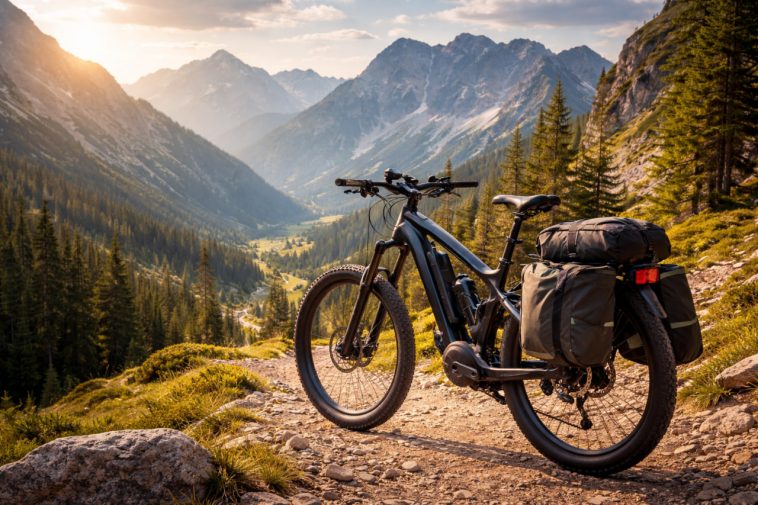
Riding an eBike in the mountains is as much about technique and planning as it is about equipment. Experienced riders focus on efficiency, control, and conservation of both energy and battery. The tips below reflect best practices used by seasoned mountain and touring eBike riders.
Pace the Climb, Not the Motor
Long ascents reward consistency. Instead of using maximum assist early, select a moderate assist level and maintain a steady cadence. This reduces battery drain, keeps motor temperatures down, and helps you ride longer without fatigue.
Use Gears Actively
Shift early and often. Treat the eBike like a traditional bike with strong legs, not a motorcycle. Staying in the correct gear improves motor efficiency, preserves drivetrain components, and provides smoother power delivery on steep grades.
Manage Battery Strategically
Pros plan battery use around terrain. Save higher assist modes for steep or technical sections and reduce assist on flatter stretches. On very long rides, riding slightly slower can dramatically extend range.
Stay Seated on Steep Climbs
Remaining seated improves rear-wheel traction and reduces energy loss, especially on loose or gravel surfaces. Standing is useful for short bursts but wastes energy over long climbs.
Look Ahead on Descents
Mountain descents require anticipation. Keep your eyes up, brake early and lightly, and avoid continuous hard braking. This prevents brake fade and maintains control, especially on long downhill sections.
Adjust Tire Pressure for Terrain
Slightly lower tire pressure improves grip and comfort on rough mountain roads and gravel. Avoid running pressures too low, as this increases rolling resistance and the risk of pinch flats under load.
Carry More Water Than You Think You Need
Mountain routes often have limited access to services. Extra water and electrolytes help maintain focus and physical performance, especially at higher elevations where dehydration happens faster.
Respect Elevation and Weather
Temperature, wind, and weather can change quickly in the mountains. Dress in layers, monitor conditions, and be conservative with route planning. Turning back early is often the smartest decision.
Final Tip: Ride Smooth, Not Fast
Professional riders prioritize smoothness over speed. Smooth inputs conserve energy, improve traction, and make long mountain rides more enjoyable and sustainable.
Mountain e-Biking is about efficiency and awareness. Mastering these habits allows you to ride farther, climb easier, and return with energy to spare.
Top 8 eBikes for Long Trips to the Mountains
Long mountain trips demand range, climbing efficiency, comfort, and reliability. Elevation gain, long ascents, and extended saddle time quickly expose weaknesses in underbuilt eBikes. The following eight product categories are best suited for sustained mountain riding, keeping the original focus while adding practical detail.
1. Long-Range Touring eBike
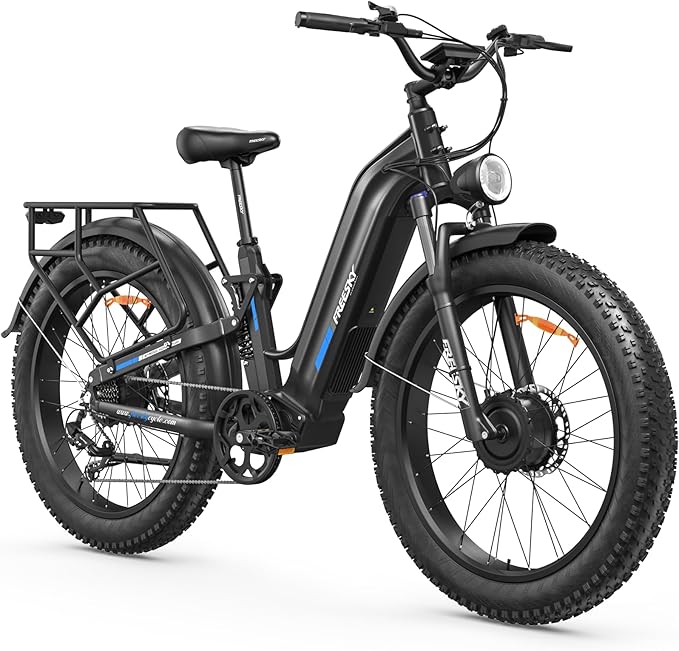
These bikes are built for endurance rather than short bursts of power.
Key Benefits:
- Very high range
- Stable, fatigue-reducing geometry
- Predictable handling on long climbs
Detailed Info:
- Battery: 700–1000 Wh, often expandable
- Motor: Efficient mid-drive tuned for steady output
- Comfort: Upright posture, vibration-damping frames
- Utility: Rack and bag compatibility for food and layers
Why it matters:
Long climbs consume energy fast — touring eBikes prioritize efficiency over speed.
To buy this product on Amazon, click here.
2. High-Torque Mountain eBike
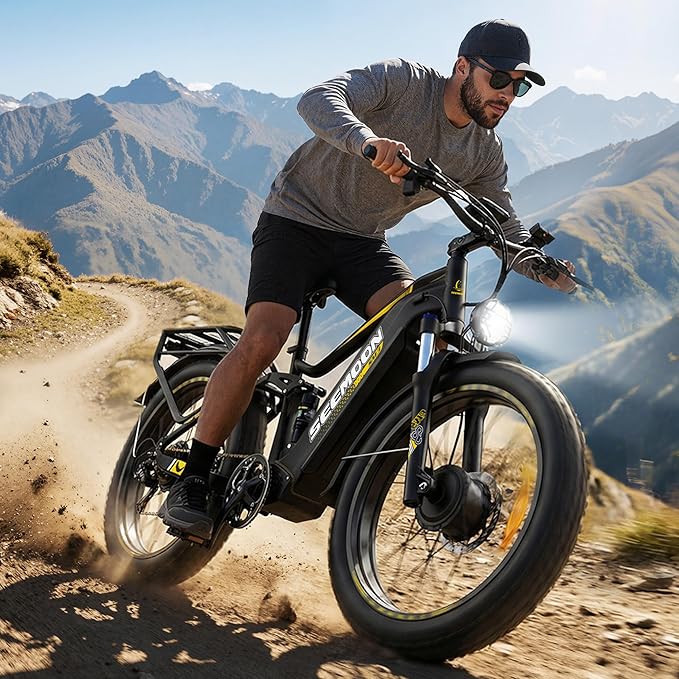
Designed to handle steep, sustained gradients with control.
Key Benefits:
- Strong climbing ability
- Natural pedaling feel
- Excellent traction
Detailed Info:
- Torque: Typically 85–95 Nm
- Drivetrain: Wide-range gearing for steep grades
- Control: Cadence- and torque-sensitive assistance
Why it matters:
Mid-drive motors use the bike’s gears, making them far more effective on long mountain ascents.
To buy this product on Amazon, click here.
3. All-Terrain Trekking eBike
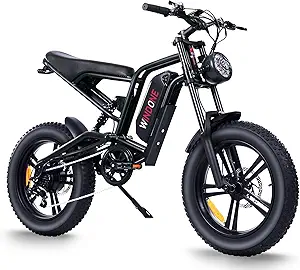
A balanced option for riders mixing pavement, gravel, and dirt.
Key Benefits:
- Versatile terrain performance
- Comfortable for long hours
- Stable with light cargo
Detailed Info:
- Tires: 40–55 mm for grip and efficiency
- Suspension: Often front fork or suspension seat post
- Frame: Designed for long-distance comfort
Why it matters:
Mountain routes rarely stay smooth — trekking eBikes adapt without sacrificing comfort.
To buy this product on Amazon, click here.
4. Dual-Motor Expedition eBike
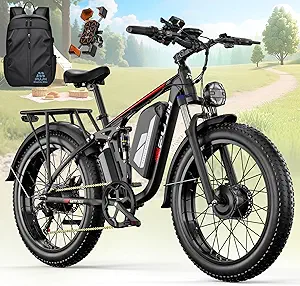
Built for remote routes and extreme elevation gain.
Key Benefits:
- Extended range
- Backup power security
- Balanced load distribution
Detailed Info:
- Battery System: Integrated + auxiliary battery
- Range: Often 150 km+ depending on terrain
- Frame: Reinforced to handle added weight
Why it matters:
In remote mountain areas, extra range equals safety and freedom.
To buy this product on Amazon, click here.
5. Full-Suspension Comfort Mountain eBike
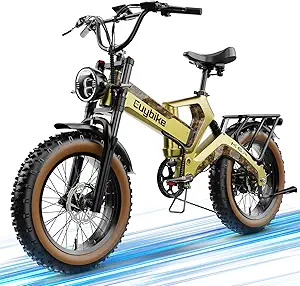
Focuses on reducing fatigue over rough terrain.
Key Benefits:
- Smoother descents
- Less body strain
- Improved traction
Detailed Info:
- Suspension: Moderate travel tuned for endurance
- Geometry: Stable at speed, confidence-inspiring downhill
- Comfort: Reduced vibration over long distances
Why it matters:
Fatigue compounds over hours — suspension preserves energy and control.
To buy this product on Amazon, click here.
6. Lightweight Long-Distance eBike
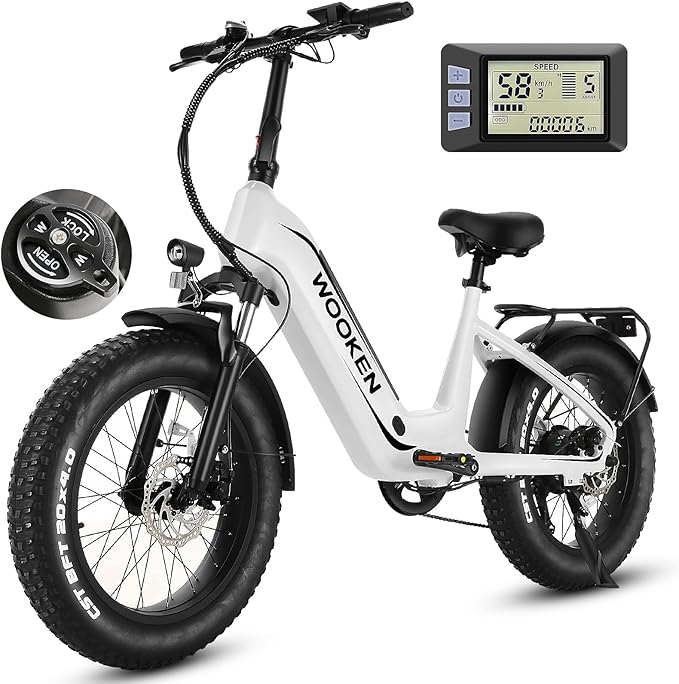
Prioritizes efficiency and ride feel over raw power.
Key Benefits:
- Easier climbing
- Agile handling
- Lower energy consumption
Detailed Info:
- Weight: Often under 20 kg
- Motor: Lower output, high efficiency
- Battery: Optimized capacity-to-weight ratio
Why it matters:
Less weight improves both motor efficiency and rider endurance.
To buy this product on Amazon, click here.
7. Gravel-Oriented Adventure eBike
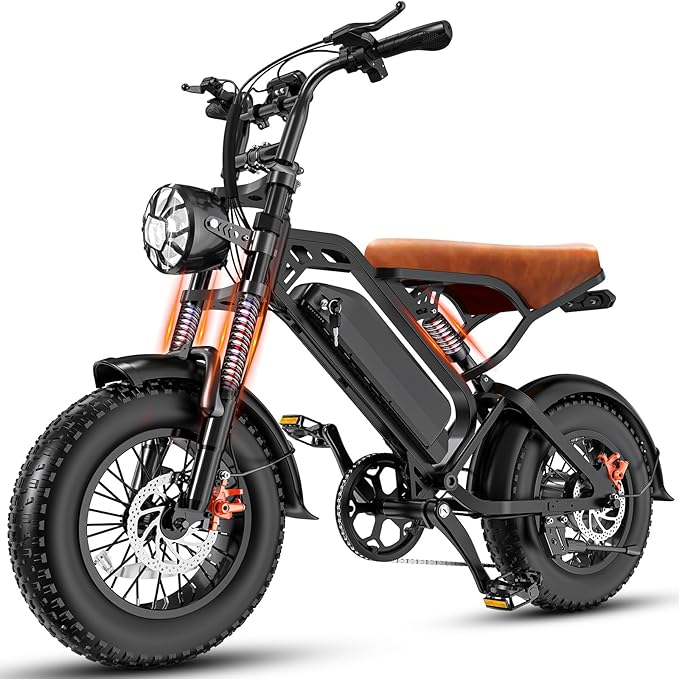
Ideal for long mountain roads and gravel passes.
Key Benefits:
- Efficient cruising
- High-speed stability
- Multiple hand positions
Detailed Info:
- Tires: Fast-rolling gravel tires with protection
- Geometry: Longer wheelbase for stability
- Handlebars: Drop or alt-bars for comfort
Why it matters:
Gravel eBikes excel on scenic mountain routes where efficiency matters more than suspension.
To buy this product on Amazon, click here.
8. Load-Capable Mountain Touring eBike
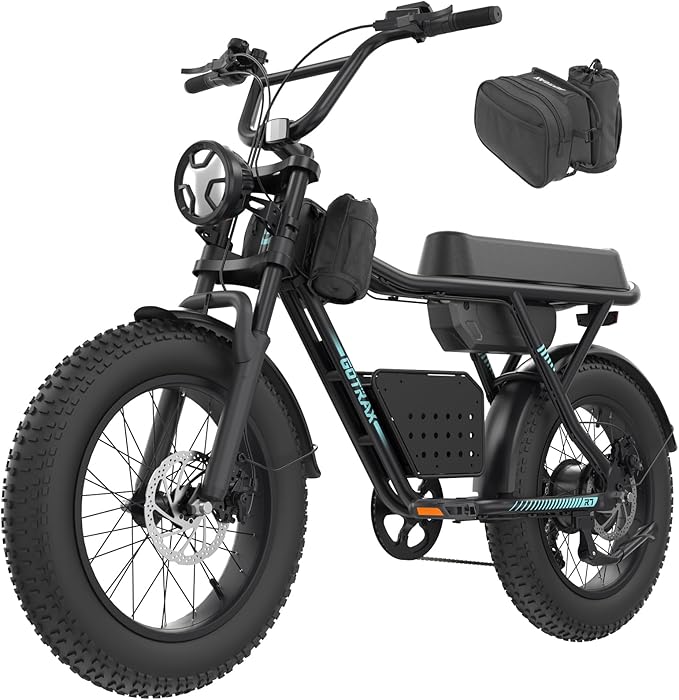
Designed for riders carrying gear on long trips.
Key Benefits:
- Stable under load
- Strong frames and wheels
- Reliable braking
Detailed Info:
- Payload: Designed for racks and panniers
- Brakes: High-performance hydraulic discs
- Motor Tuning: Consistent output with added weight
Why it matters:
Carrying gear changes handling — load-rated designs maintain safety and control.
To buy this product on Amazon, click here.
Comparative table
| Product Type | Battery / Range | Climbing Power | Terrain Versatility | Comfort / Fatigue | Best Use Case |
|---|---|---|---|---|---|
| Long-Range Touring eBike | Very high — long days of riding | Moderate to high | Paved + gentle gravel | Very high — endurance posture | Multi-hour alpine tours |
| High-Torque Mountain eBike | Moderate to high | Very high | Uphill + rough terrain | Good | Steep climbs and technical hills |
| All-Terrain Trekking eBike | High | Moderate | Pavement + gravel + light dirt | High | Mixed mountain routes |
| Dual-Battery Expedition eBike | Highest — dual support | High | Variable terrain | High | Remote long routes without charging |
| Full-Suspension Comfort eBike | Moderate | Moderate to high | Uneven & rocky terrain | Very high | Rough trail descents and bumpy tracks |
| Lightweight Long-Distance eBike | Moderate | Moderate | Mixed but less demanding | High — nimble handling | Longer climbs with lighter load |
| Gravel-Oriented Adventure eBike | Moderate to high | Moderate | Pavement + gravel | Moderate | Fast mountain road + gravel passes |
| Load-Capable Touring eBike | High | High | Mixed family or gear routes | High — with cargo | Gear-heavy multi-day mountain trips |
Key Features to Prioritize for Mountain Trips — Detailed Explanation
Choosing an eBike for long mountain trips is less about maximum speed and more about sustained performance, control, and comfort over time. Each of the features below directly affects how enjoyable, safe, and practical your ride will be once elevation, distance, and terrain start adding up.
Large or Expandable Battery Capacity
Mountain riding consumes far more energy than flat terrain. Long climbs, heavier loads, and extended assist use drain batteries quickly.
- Why it matters: Running out of power mid-climb can turn a manageable ride into an exhausting push.
- What to look for: Batteries in the 700–1000 Wh range, or systems that support an additional battery.
- Real-world impact: More capacity means fewer compromises on assist levels and greater route flexibility.
A larger battery doesn’t just extend range — it reduces mental stress and allows you to ride more naturally.
High-Torque Mid-Drive Motors
Torque is what gets you uphill smoothly, especially on steep or uneven grades.
- Why it matters: Mountain climbs require consistent force rather than short bursts of speed.
- What to look for: Mid-drive motors producing 85 Nm or more of torque.
- Real-world impact: Better traction, smoother cadence, and less strain on both rider and motor.
Mid-drive systems also stay efficient on long climbs because they work through the bike’s gears.
Comfortable, Endurance-Focused Geometry
Poor riding position becomes painfully obvious after hours in the saddle.
- Why it matters: Long climbs and descents place continuous strain on your back, neck, wrists, and hips.
- What to look for: Slightly upright posture, relaxed reach, and stable wheelbase.
- Real-world impact: Reduced fatigue allows you to maintain good control even late in the ride.
Comfort-focused geometry isn’t slower — it’s more sustainable.
Reliable Braking for Long Descents
Descending after a long climb demands confidence in your braking system.
- Why it matters: Continuous braking on steep descents generates heat and stress.
- What to look for: Hydraulic disc brakes with larger rotors (180–203 mm).
- Real-world impact: Consistent braking power without fade, even on extended downhill sections.
Good brakes improve safety and reduce mental load, especially on technical descents.
Tires Matched to Mixed Terrain
Mountain routes often combine pavement, gravel, dirt, and broken surfaces.
- Why it matters: The wrong tires can reduce grip, comfort, and efficiency.
- What to look for: Wider tires (40–55 mm) with reinforced sidewalls and moderate tread.
- Real-world impact: Better traction on climbs, more control on descents, and less vibration over distance.
Tires act as your first layer of suspension — choosing wisely makes a noticeable difference.
Efficient Motor Tuning and Assist Levels
Raw power is less important than how smoothly and predictably assistance is delivered.
- Why it matters: Aggressive motor behavior drains batteries and disrupts traction.
- What to look for: Multiple assist modes with gradual power delivery.
- Real-world impact: Longer range, better control, and a more natural ride feel.
Efficiency keeps you moving forward without unnecessary energy loss.
Stability Under Load
Mountain trips often involve extra weight from water, food, tools, or camping gear.
- Why it matters: Added weight affects handling, braking, and climbing efficiency.
- What to look for: Strong frames, reinforced wheels, and rack compatibility.
- Real-world impact: Predictable handling and safer braking, even when fully loaded.
A stable bike inspires confidence — especially on narrow mountain roads or gravel passes.
Vibration and Fatigue Reduction
Small vibrations add up quickly on long mountain rides.
- Why it matters: Continuous vibration accelerates fatigue and reduces control.
- What to look for: Wider tires, compliant frames, suspension seat posts, or front suspension.
- Real-world impact: Less soreness, better focus, and improved endurance.
Reducing fatigue doesn’t just improve comfort — it improves safety.
Final Takeaway
Mountain eBike trips reward thoughtful equipment choices. Prioritizing range, torque, comfort, braking, and efficiency ensures that climbs feel manageable, descents feel controlled, and long distances remain enjoyable. The right features turn demanding terrain into a ride you can focus on — not endure.
Conclusion
Long mountain trips demand more from an eBike than almost any other riding environment. Sustained climbs, extended distances, variable terrain, and limited access to charging all place a premium on efficiency, comfort, and reliability rather than raw speed or peak power.
The best mountain-capable eBikes share a common philosophy: high-capacity batteries or expandable range, mid-drive motors with strong torque for climbing, stable endurance-focused geometry, and components designed to handle long descents and mixed surfaces. Whether you prioritize maximum range, lighter weight, suspension comfort, or load-carrying ability, choosing the right category ensures the bike works with you, not against you.
Mountain e-Biking is ultimately about sustainability — sustaining your energy, your confidence, and your enjoyment over hours and elevation gain. With the right eBike and the right approach, demanding mountain routes become achievable, rewarding, and genuinely enjoyable journeys rather than tests of endurance.